

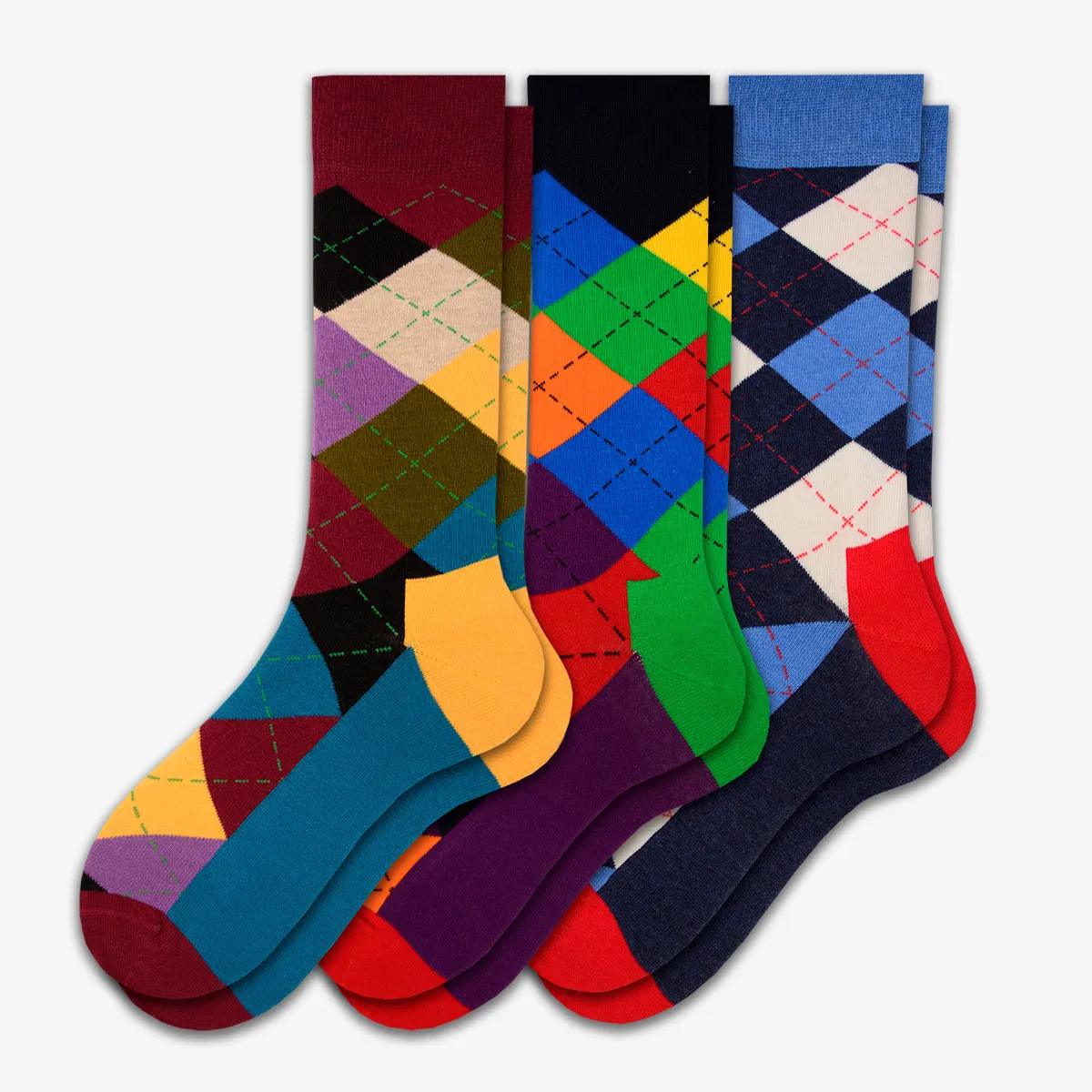
Typing men’s socks online USA into a search bar returns thousands of results, and most pages look strangely alike. That makes it tempting to click the cheapest pack and hope for the best, without thinking about how it will feel at hour nine of a workday. A handful of common mistakes cost people money and comfort, and every one of them is easy to avoid.
Mistake One: Ignoring the Size Range
Socks don’t come in exact shoe sizes. A pack might say 6 to 12, which means one sock stretches across several feet. If you sit at either end of that range, the fit can feel too loose or too tight, no matter how nice the fabric is, and the heel ends up in the wrong place.
Read the size chart before adding anything to your cart. If you’re between sizes, think about your foot width and the shoes you wear most. Thicker socks need a little more room, while thin dress socks can run snug and still feel fine. Many buyers also forget that calf size affects how a cuff behaves.
Mistake Two: Treating Socks as an Afterthought
Plenty of people spend an hour on a shirt and thirty seconds on socks. Yet socks belong alongside the men’s fashion accessories USA shoppers compare each season, such as belts, watches and ties. They can quietly tie an entire outfit together without anyone pointing at them.
A subtle pattern with a plain suit, or a bright pair with casual chinos, shows you paid attention. You don’t need anything loud. Just pick colors that pick up a shade already present in your outfit, and the effect works well.
Mistake Three: Skipping the Fabric Details
Product pages list materials for a reason. Cotton feels familiar and breathable, bamboo-derived rayon feels smooth and wicks moisture, wool keeps feet warm, and nylon adds strength. A pack with a bit of elastane holds its shape better.
Match the blend to your day, your shoes and the weather. A long shift on your feet calls for cushioning and breathability. A quick office day may only need a thin, smooth pair. One fabric rarely does everything well, so buy a few types and learn which one feels best on your feet. Over time, you’ll build a small, dependable set.
Mistake Four: Overlooking Pack Counts
A three-pack at a fair price can be a better deal than a single pair, but only if you’ll wear all three. Buying pairs in different patterns can leave you with odd ones that never get worn.
Think in terms of your weekly routine. Count how many pairs you use in seven days, then buy enough to cover that plus a few spares. Having a rotation also helps each pair last longer, since the fibers get time to recover between wears and washes.
Mistake Five: Skipping Reviews and Photos
Photos can hide a lot. Colors shift on screens, and a sock that looks thick might feel paper-thin. Real customers’ reviews fill in the blanks, particularly when it says how a pair survived multiple washes.
Look for comments about fit and durability, not just comfort on day one. If a few people mention shrinking or thin heels, take that seriously. A product with many honest reviews is usually safer than one with none, even if its rating isn’t perfect. Look for photos from buyers too, because they show true colors.
Mistake Six: Ignoring Shipping and Returns
A great price means little if delivery takes weeks or returns are a headache. Check shipping times and the return policy before you pay, and note whether returns cost anything. Small print can change a bargain into a bad deal. Free shipping thresholds can also push you to add items you don’t need.
Keep order confirmations until you’ve tried everything on. If a size is wrong, swapping early is much easier than waiting a month. Good sellers make this simple, and you’ll feel confident ordering again.
Conclusion
Buying socks online isn’t complicated once you know the traps. Check sizes, read the fabric details, think about how they fit into your outfits, and read a few reviews before paying. Do those checks every time, and your sock drawer will slowly fill with pairs that fit well, feel good and last far longer than expected.
When you’re ready to restock, visit sierrasocks.com and apply what you’ve learned.