

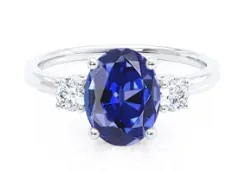
Choosing an engagement ring is both an emotional decision and a practical one. The design must feel personal, suit the wearer’s lifestyle, and retain its beauty long after the proposal. White gold remains a particularly appealing choice because it combines a cool, contemporary appearance with the heritage and substance of precious gold.
For couples beginning their search, exploring white gold rings by Lily Arkwright can help clarify how different stone shapes, settings, and band designs work with this versatile metal. Before selecting a ring, however, it is worth looking beyond first impressions. The right piece should balance colour, proportion, durability, comfort, and long-term care.
Confirm the Gold Purity and Finish
White gold is created by alloying yellow gold with naturally pale metals, producing a stronger material with a cooler tone. Most engagement rings are made in either 14-carat or 18-carat white gold.
An 18-carat ring contains a higher proportion of pure gold and often has a slightly warmer underlying tone. It is a natural choice for someone who values precious-metal content and a refined, substantial finish. Fourteen-carat white gold is typically harder and may be better suited to a wearer whose hands are frequently active.
The bright appearance associated with white gold usually comes from rhodium plating. This surface treatment creates a crisp, reflective finish that complements clear stones beautifully. Over time, the plating may wear, particularly along the underside of the band. This is normal rather than a sign of poor quality, but buyers should be comfortable with occasional replating as part of the ring’s maintenance.
Match the Setting to the Wearer’s Lifestyle
A striking ring is only successful if it feels practical enough to wear regularly. Consider how high the centre stone sits, whether the claws might catch on clothing, and how exposed the stone’s edges are.
A classic solitaire setting allows the centre stone to take precedence and gives white gold’s clean tone room to shine. Halo settings create greater visual presence by surrounding the central stone with smaller accent stones. They can be especially effective for someone who wants a glamorous look without relying solely on a larger centre stone.
Bezel and low-profile settings offer additional protection and may suit healthcare professionals, athletes, parents of young children, or anyone who works frequently with their hands. A lower setting can also feel more balanced and comfortable, even where the centre stone has a generous carat weight.
Assess Proportion, Not Carat Weight Alone
Carat weight matters, but it does not tell the full visual story. Two stones of the same weight can appear noticeably different depending on their shape, cut proportions, and setting.
Elongated shapes such as oval, pear, emerald, and marquise cuts often look larger from above because they cover more of the finger. Round stones offer symmetry and exceptional brilliance, while cushion cuts provide a softer, more romantic outline. The best choice depends on the wearer’s hand, personal style, and preference for sparkle or structure.
Someone might prefer a two-carat stone over a one-carat option not simply for greater size, but because the larger proportions can create a stronger visual balance on broader fingers or alongside a substantial wedding band. Conversely, a carefully cut one-carat stone may feel more elegant on a petite hand and allow room in the budget for a more intricate setting.
Plan for Comfort, Pairing, and Care
Check the band width and profile before committing. Slim bands can make the centre stone appear more prominent, while wider bands provide a bolder look and may feel more secure. The inner surface should sit comfortably against the finger without sharp edges or excessive movement.
It is also sensible to consider the future wedding ring. Some engagement-ring settings sit flush against a straight band, while others require a shaped or contoured design. Reviewing the two rings as a pair can prevent awkward gaps and create a more cohesive final look.
White gold should be cleaned gently with warm water, mild soap, and a soft brush. Regular professional inspections can identify loose claws, worn settings, or the need for replating before they become larger concerns.
Final Thought
The most successful white gold engagement ring is not necessarily the largest or most elaborate. It is the one that reflects the wearer’s taste while accommodating everyday life. By examining gold purity, setting height, stone proportion, comfort, and maintenance requirements, couples can select a ring that feels considered from every angle—and remains meaningful for decades to come.