

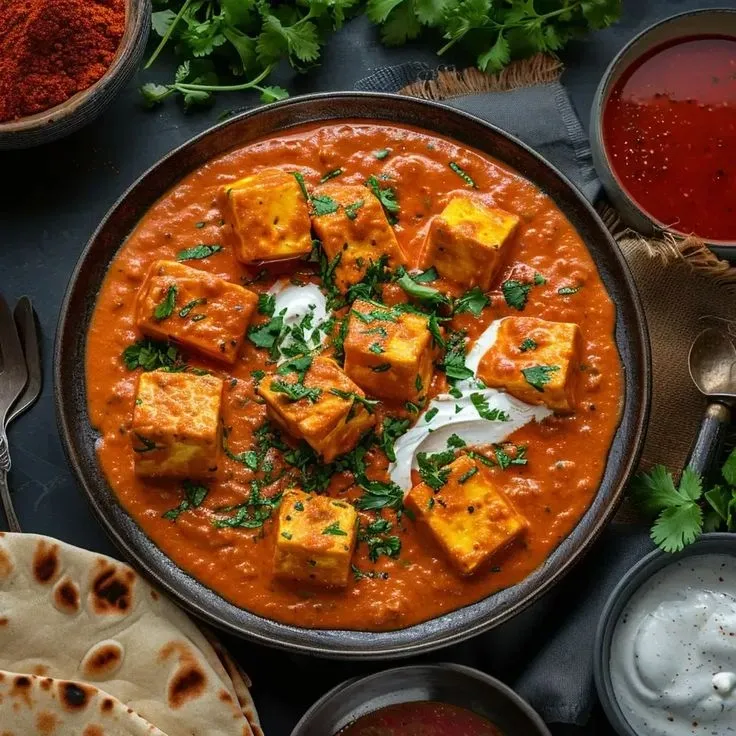
Food is part of everyday life, but choosing what to prepare can sometimes feel surprisingly difficult. felivo.it.com offers a natural starting point for exploring food ideas, cooking inspiration, ingredients, and practical ways to make meals more enjoyable. People often want food that tastes good without requiring expensive ingredients or complicated preparation. That sounds simple enough, although busy schedules can make even ordinary meal planning feel difficult. A useful approach is to understand basic ingredients, try different cooking methods, and make small improvements to familiar dishes. Home cooking does not need to become a complicated project. Sometimes a few thoughtful choices can make an ordinary meal much better.
Understanding Everyday Food Habits
Food habits develop through daily routines, family preferences, available ingredients, and personal schedules. Some people prefer preparing fresh meals every day, while others cook larger portions for several meals. Neither approach is automatically better because different households have different needs. What matters most is choosing a routine that remains practical and manageable.
A useful first step involves noticing what people actually eat throughout the week. Breakfast might include fruit, eggs, bread, or a simple bowl of porridge. Lunch may depend on available time, while dinner often requires something filling and convenient. Writing down regular meals can reveal repeated choices and missing variety. It also makes grocery shopping easier because people can identify ingredients they genuinely use.
Food preferences can change over time, especially when someone starts exploring unfamiliar ingredients. A person who rarely eats vegetables might discover enjoyable options through soups, roasted dishes, or simple stir-fries. Someone who prefers traditional meals can experiment with different seasonings without changing the entire recipe. Small adjustments often feel easier than completely changing established eating habits.
Choosing Fresh Ingredients Carefully
Fresh ingredients influence the flavour, texture, and overall quality of everyday meals. Vegetables should generally look firm and suitable for their variety, without unusual soft spots or unpleasant smells. Fruits also have different signs of ripeness, so appearance alone cannot explain everything. Some fruits become sweeter as they ripen, while others are better enjoyed earlier.
Shopping with a simple plan can prevent unnecessary purchases. Check the kitchen before visiting the grocery store because forgotten ingredients often lead to duplicate buying. Consider how quickly fresh products need to be used. Leafy vegetables may require attention sooner than onions, potatoes, or certain root vegetables.
Seasonal ingredients can provide useful variety throughout the year. Local produce may also be easier to find when its natural growing season arrives. Prices sometimes change according to availability, weather, and transportation costs. Comparing different options helps households make sensible choices without depending on expensive specialty products.
Freshness does not mean every ingredient must be purchased daily. Frozen vegetables and fruits can be useful alternatives when fresh options are unavailable. Properly stored frozen produce can support convenient meals throughout busy weeks. The important thing is checking storage instructions and choosing products without unnecessary additions.
Making Simple Meals Taste Better
A meal does not need numerous ingredients to taste satisfying. Good preparation often matters more than adding several complicated seasonings. Cooking onions until softened, browning certain vegetables, or allowing spices to release their aroma can improve familiar dishes. These small techniques create more flavour without requiring advanced cooking knowledge.
Salt should be added thoughtfully because different ingredients already contain varying amounts. Processed sauces, packaged seasonings, and prepared stocks may contain considerable sodium. Tasting food during preparation helps prevent unnecessary seasoning. Adding small amounts gradually is generally easier than trying to correct an overly salty dish.
Acidity can also improve the balance of many recipes. Lemon juice, vinegar, tomatoes, and other suitable ingredients provide brightness to certain dishes. A small amount can make a heavy preparation feel more balanced. However, the quantity should suit the recipe rather than becoming a universal rule.
Texture deserves attention because food should not taste interesting only through seasoning. Crunchy vegetables, toasted seeds, soft grains, and creamy sauces create different eating experiences. Combining contrasting textures can make simple meals more enjoyable. It is worth experimenting with these details using ingredients already available.
Planning Meals Without Stress
Meal planning sounds useful, but overly detailed schedules can become difficult to maintain. A flexible plan usually works better for households with changing responsibilities. Choose a few meals that can be prepared using ingredients already available. Keep some alternatives for days when cooking time becomes limited.
A weekly plan does not need to include every snack or small meal. It can simply identify the main dishes people expect to prepare. For example, one evening might include vegetable rice, while another uses lentils and flatbread. Remaining ingredients can become part of another meal instead of being forgotten.
Preparation can also happen before the actual cooking begins. Washing vegetables, checking pantry supplies, and measuring dry ingredients may reduce pressure later. Some ingredients can be chopped and stored safely when appropriate. However, cut produce should receive suitable refrigeration and should not remain unattended for extended periods.
Avoid preparing more food than the household can reasonably use. Large portions may appear convenient, but unused leftovers can become waste. Consider the number of people eating and their usual appetite. Practical planning should make daily cooking easier rather than creating another responsibility.
Exploring Different Cooking Methods
Different cooking methods can change the flavour and texture of identical ingredients. Boiling is useful for grains, pasta, and several vegetables, while steaming can help retain a pleasant texture. Roasting creates browning and deeper flavours through dry heat. Each method has advantages depending on the ingredient and intended dish.
Stir-frying works well when ingredients are prepared before cooking begins. Small pieces usually cook more evenly than large uneven cuts. A suitable pan and controlled heat can prevent excessive burning. Avoid overcrowding because too many ingredients may release moisture and reduce browning.
Baking offers another practical method for preparing meals with less attention during cooking. Vegetables, breads, casseroles, and several main dishes can be prepared inside an oven. Temperature and cooking time depend on the recipe and the equipment being used. Following reliable instructions is important when preparing unfamiliar foods.
Grilling can provide a distinctive flavour, although food should be cooked safely. Meat, seafood, and other ingredients require appropriate internal temperatures. Clean equipment and careful handling help reduce contamination risks. The cooking method should support both taste and food safety.
Getting More From Leftovers
Leftovers can save time and reduce unnecessary food waste when handled correctly. Cooked rice, vegetables, beans, and several other foods may become useful ingredients for another meal. Their condition and storage history should always be checked first. Food that smells unusual or shows signs of spoilage should not be tasted.
Refrigerate perishable leftovers promptly in suitable covered containers. Avoid leaving cooked food at room temperature for long periods. Divide larger portions into smaller containers because they generally cool more quickly. Follow reliable food safety guidance for storage times and reheating temperatures.
Leftover vegetables can sometimes become part of soups, wraps, or rice dishes. Cooked beans may work well in salads or simple fillings. Plain roasted vegetables can also be added to sandwiches when stored safely. These ideas depend on the original seasoning and the condition of the ingredients.
Keep leftover containers labelled when several meals are stored together. Adding preparation dates makes it easier to identify older food. Reheat only the amount that will actually be eaten whenever possible. Repeated heating and cooling can reduce quality and increase food safety concerns.
Balancing Taste And Nutrition
Enjoyable food and balanced nutrition can work together without making every meal complicated. A varied eating pattern may include vegetables, fruits, whole grains, protein sources, and suitable fats. Individual needs differ according to age, activity, health conditions, and other personal circumstances. General food advice should therefore remain flexible.
Vegetables can provide colour, flavour, fibre, and different nutrients. Including several varieties throughout the week creates more diversity than relying on one familiar option. Fresh, frozen, and suitable canned vegetables may all contribute. Check added salt or sugar when selecting packaged products.
Protein sources include beans, lentils, eggs, dairy products, fish, poultry, and other foods. Different households may choose different combinations according to preference and dietary requirements. Whole grains can also provide useful variety beyond refined grain products. Brown rice, oats, and whole wheat options are common examples.
Portion sizes should reflect individual requirements rather than following one fixed measurement for everyone. Eating slowly may help people notice when they feel comfortably satisfied. Regular meals can also support a predictable daily routine. Food should remain enjoyable instead of becoming a constant source of worry.
Keeping Kitchen Storage Organized
An organized kitchen makes cooking more convenient because ingredients remain easier to locate. Dry foods should be stored in clean containers with suitable lids. Keep storage areas dry and protect ingredients from insects, moisture, and excessive heat. Different products may require different storage conditions.
Refrigerator organization deserves particular attention because incorrect storage can affect food safety. Raw meat and seafood should remain separate from ready-to-eat foods. Use suitable covered containers to prevent leakage and cross-contamination. Follow recommended refrigerator temperatures and keep the appliance clean.
Check expiry dates and storage instructions before using packaged ingredients. Older products should not automatically be considered safe simply because their packaging looks normal. Some foods have specific storage requirements after opening. Keeping frequently used products visible can reduce forgotten ingredients.
A simple kitchen inventory can prevent repeated shopping mistakes. Note which staples need replacement before they run out completely. Common household supplies may include grains, cooking oils, spices, lentils, and basic seasonings. The exact list should reflect the meals people actually prepare.
Trying New Food Combinations
Trying unfamiliar combinations can make home cooking more interesting. However, experimentation does not require purchasing many unusual ingredients. Start with familiar foods and change one or two elements. This makes it easier to understand which combinations work well.
Different herbs and spices can change the character of familiar meals. Cumin, coriander, black pepper, turmeric, cinnamon, and paprika each have distinctive uses. Their flavour becomes more noticeable when quantities and cooking methods suit the recipe. Start with smaller amounts when testing unfamiliar seasonings.
Sweet and savoury ingredients can sometimes work together in balanced dishes. Fruit may complement certain salads, while roasted vegetables can pair well with suitable herbs. The result depends on flavour intensity and personal preference. Not every combination needs to become a regular household favourite.
Cooking from different food traditions can also introduce useful techniques. Italian pasta dishes, Indian vegetable preparations, Mediterranean salads, and East Asian stir-fries offer different approaches. Respecting traditional ingredients while adapting recipes thoughtfully can make learning more enjoyable. Reliable recipes provide a helpful starting point for beginners.
Making Food Preparation Safer
Food safety begins before ingredients reach the cooking surface. Wash hands with soap and clean water before handling food. Clean preparation surfaces regularly, especially after handling raw animal products. Use separate equipment when necessary to reduce cross-contamination.
Raw meat, seafood, and eggs require careful handling. Keep them away from ready-to-eat ingredients during preparation. Clean knives, boards, and utensils after contact with raw products. Never assume that a quick rinse removes every possible contamination risk.
Cooking temperatures matter because some harmful microorganisms survive when food remains undercooked. Use a suitable food thermometer when preparing foods that require accurate temperature checks. Follow trusted cooking guidance instead of judging safety only through colour. This is particularly important for meat and poultry.
Clean storage habits also protect household food supplies. Check refrigerator conditions and avoid keeping perishable ingredients outside for extended periods. Discard food when its safety becomes doubtful. Saving a small amount of money is never worth risking illness.
Conclusion
Good everyday food choices come from practical habits rather than complicated cooking rules. Fresh ingredients, sensible planning, suitable cooking methods, and safe storage can improve ordinary meals. Exploring new flavours also helps prevent familiar dishes from becoming repetitive. Start by making one manageable change to your current cooking routine. Visit felivo.it.com for more food inspiration and useful ideas that support enjoyable meals at home. Build a kitchen routine that suits your schedule, preferences, and available ingredients.
Read also :-