

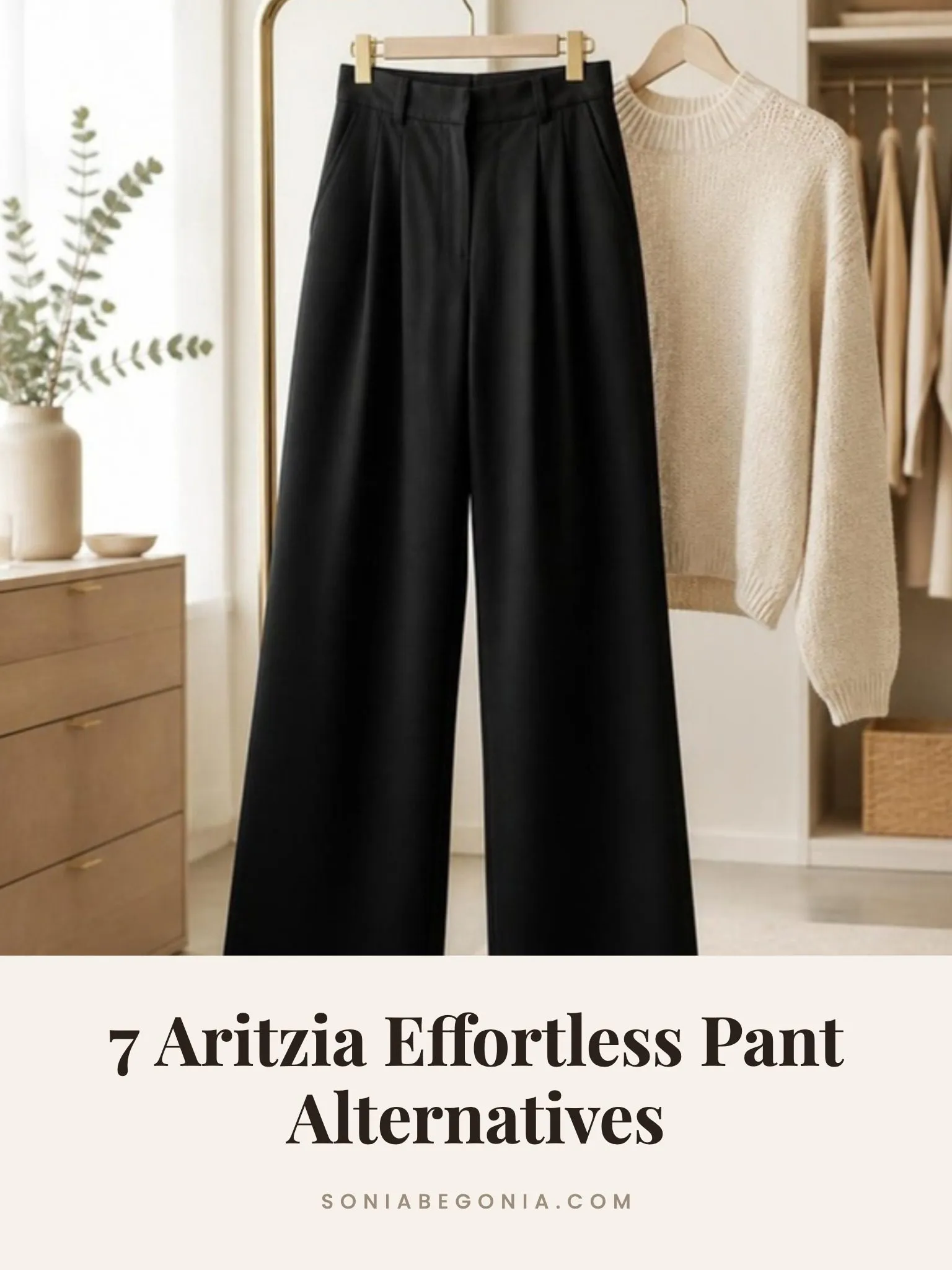
A capsule wardrobe is often associated with neutral colors and a limited selection of clothing. However, its real purpose is to make everyday dressing simpler by bringing together items that work comfortably with one another. There is no universal number of garments that everyone must own. Someone working in a formal office will have different requirements from a person who spends most days in casual clothing. The most useful capsule wardrobe reflects individual routines, personal preferences, and seasonal needs.
Begin With Your Actual Lifestyle
Before choosing wardrobe essentials, consider how you spend a typical week. Clothing should support activities you regularly participate in rather than an imagined lifestyle. For instance, someone who works remotely may appreciate comfortable knitwear and relaxed pants more than several tailored suits. Meanwhile, a professional attending frequent meetings might prioritize structured jackets and polished separates.
Review the items you already wear repeatedly. These often provide valuable clues about preferred fabrics, silhouettes, and colors. Building around established favorites makes a capsule wardrobe feel familiar rather than restrictive.
Identify Your Most Versatile Pieces
Versatility means more than choosing clothing in basic colors. A genuinely versatile garment fits comfortably, suits several occasions, and coordinates with other items in your closet. A simple midi skirt, for example, might work with sneakers during the day and ankle boots for dinner. Likewise, tailored pants can be paired with a relaxed sweater or a structured blazer.
The goal is creating useful combinations without purchasing duplicate pieces. Before adding something new, imagine how it could work with at least three items you already own.
Use Accessories to Create Variety
A smaller clothing collection does not mean wearing nearly identical outfits every day. Accessories offer an effective way to introduce variety without collecting numerous additional garments. An interesting handbag, patterned scarf, or pair of statement earrings can change the mood of a basic combination.
Affordable Designer Dupes may appeal to shoppers who enjoy luxury-inspired details but want to manage their clothing budgets carefully. These alternatives can complement capsule wardrobes when their colors and proportions work with existing pieces.
Choose accessories because they genuinely improve outfits, not simply because they resemble an expensive product. Practicality remains important even when shopping for decorative additions.
Create a Flexible Clothing Checklist
Rather than following a rigid shopping formula, identify categories that support your lifestyle. The following list offers a useful starting point:
-
Comfortable tops suitable for everyday activities.
-
Two or three bottoms in frequently worn silhouettes.
-
An outer layer appropriate for the local climate.
-
Shoes that balance comfort and personal style.
-
A versatile handbag for regular errands.
-
A few accessories that introduce color or texture.
Adjust these categories according to your professional obligations, weather conditions, and personal preferences.
Some wardrobes may need more formal clothing, while others benefit from additional athletic wear or outdoor essentials.
Build Around a Personal Color Palette
Color coordination helps clothing work together, but it should never remove enjoyment from getting dressed. Start by identifying shades you naturally choose when shopping. If you frequently wear blue, cream, and brown, these colors could form a practical foundation. Additional accents might include green, burgundy, or another preferred shade.
Patterns can also fit into a coordinated wardrobe. Stripes, florals, and subtle prints may combine successfully with solid pieces when they share complementary tones. Experiment with combinations at home before buying additional clothing. You may discover that your wardrobe already contains more flexibility than expected.
Discover Ideas Without Copying Everything
Fashion inspiration becomes more helpful when used selectively. Online guides can introduce interesting silhouettes, affordable retailers, and styling combinations that might otherwise go unnoticed. Blogs such as Sonia Begonia feature designer-inspired shopping ideas covering clothing, handbags, shoes, and accessories. Readers can explore these resources while deciding which suggestions fit their individual needs.
Instead of recreating an entire outfit exactly, identify one useful element. Perhaps a particular bag shape, layering technique, or color combination would work with pieces you already own. This approach keeps personal style at the center of purchasing decisions.
Maintain and Adjust Your Collection
A capsule wardrobe is not a permanent arrangement. Clothing wears out, preferences evolve, and everyday responsibilities change. Review your collection occasionally to identify items that no longer fit or serve a purpose. Repair clothing when practical, donate wearable pieces responsibly, and replace essentials thoughtfully.
Seasonal adjustments may also be necessary. Storing heavy winter clothing during warmer months can make everyday outfit planning easier without requiring a completely separate wardrobe.
Conclusion
Creating a capsule wardrobe is ultimately about simplifying decisions rather than limiting personal expression. A thoughtful combination of comfortable essentials, versatile accessories, and coordinated colors can support many different occasions. Affordable shopping makes the process more accessible, but every addition should have a clear purpose. By starting with existing favorites and adjusting the collection as life changes, individuals can enjoy a wardrobe that feels organized, practical, and genuinely personal throughout the year.