

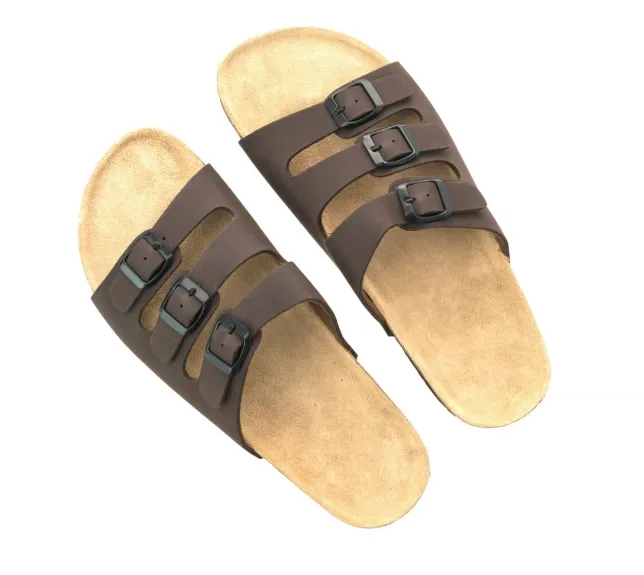
Finding the right pair of shoes feels harder than it should be sometimes. You walk into a store, or scroll through a hundred tabs online, and every shoe promises comfort, support, and style all at once. But not every shoe actually delivers on that. If your feet ache by lunchtime or your toes go numb on a long flight, something in your footwear choice is off. A good place to start is thinking about your day realistically. Are you standing for hours, walking through airports, or just relaxing on weekends? Birkenstock clogs often come up in these conversations because they strike a balance between support and ease that a lot of other shoes miss.
Start With What Your Feet Actually Do
Before you buy anything, think about what your feet go through in a normal week. Someone who stands at a counter all day needs different support than someone who spends most of their time seated at a desk and only walks occasionally. Nurses, retail workers, and people in hospitality jobs put a different kind of pressure on their arches compared to someone doing a nine-to-five behind a laptop. It sounds obvious, but so many people buy shoes based on looks first and comfort second, then wonder why their feet hurt two hours in. Pay attention to where you feel pressure by the end of the day. That tells you more than any shoe review ever could.
Travel Days Need Their Own Shoe Rules
Travelling puts feet through a strange kind of stress. You are sitting for long stretches, then suddenly rushing through a terminal with a bag on your shoulder, then sitting again. Swelling is common on flights, so shoes that are too snug in the morning can feel tight and uncomfortable by the time you land. Slip-on styles tend to work well here since you are not fumbling with laces at security checks either. Something with a little room to breathe, literally, makes a real difference. A lot of frequent travellers keep a pair of Birkenstock sandals in their bag specifically for this reason, since they slide on easily and give the foot space to shift and swell without pinching anywhere.
Everyday Work Shoes Should Not Punish You
Work shoes get overlooked a lot, honestly. People assume any closed-toe shoe will do, but the ones that hold up best usually have a firm but flexible sole and enough room in the toe box to avoid squeezing your feet into an unnatural shape all day. If your job has you moving between rooms, floors, or even buildings, cushioning becomes less of a luxury and more of a basic need. Arch support matters here too, especially if you are on your feet more than you are sitting. It is worth trying shoes on later in the day rather than first thing in the morning, since feet naturally swell a bit as the hours go by, and a shoe that fits fine at 8 am might feel tighter by 3 pm.
Weekend Comfort Without Sacrificing Style
Leisure time should feel like a break, and that includes what is on your feet. Weekends usually mean a mix of casual walks, errands, maybe a coffee shop visit or two, and just general lounging around. Shoes for this kind of day should feel almost like you forgot you are wearing them. Clogs and slip-on styles work particularly well because they let you move in and out of the house without a whole production. Some people keep a separate pair just for these lazier days, something that looks put together but does not require any real effort to wear. That small habit alone tends to protect the fancier or more structured shoes from wear and tear too.
Little Signs Your Shoes Are Not Working
Sometimes the shoe itself looks fine, but your body is telling you otherwise. Lower back pain, tight calves, or even headaches can sometimes trace back to footwear that is not doing its job properly. If you notice you are shifting your weight awkwardly or standing differently than usual, it might not be posture at all; it could be the shoes. Worn-out soles lose their cushioning long before they look damaged on the outside, so age matters even if the shoe still looks new. Rotating between two or three pairs instead of wearing the same one daily also gives the material time to bounce back between uses, which helps them last longer overall.
Conclusion
Choosing comfortable footwear really comes down to knowing your own routine and being honest about how your feet feel by the end of the day. Work, travel, and downtime each ask something different from your shoes, and paying attention to that difference saves a lot of unnecessary discomfort. Simple habits, like rotating pairs and trying shoes on later in the day, go a long way. For more guidance and options that fit different lifestyles, fitnshoes.com is a good place to keep exploring what actually works for your feet.